
The Existential Bear
In a single line of homophonic humour, Yogi Bear transforms cartoon slapstick into a moment of genuine philosophical (and grammatical) reflection.

“How much can a bear bare?”
— Yogi Bear, The Yogi Bear Show (original run: 02-01-1961)
Summary
Yogi Bear’s lament, laced with clever wordplay, poses a humorous yet oddly profound question using homophones—inviting audiences to laugh, reflect, and learn all at once.
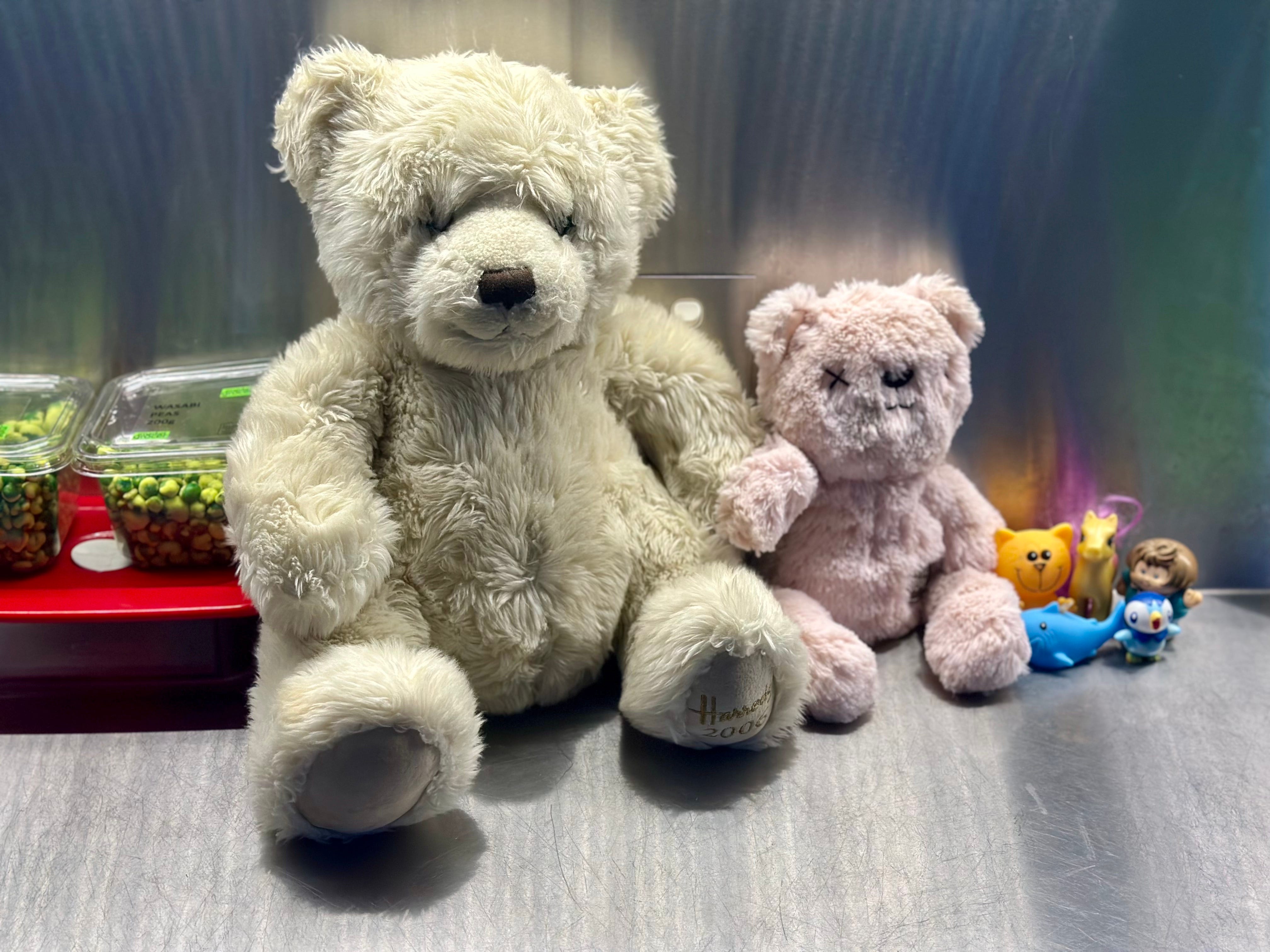
Explanation
At first glance, Yogi Bear’s exasperated question—“How much can a bear bare?”—is little more than a joke delivered by a talking cartoon bear with a love of picnic baskets. But on closer inspection, the line is a marvel of linguistic economy, distilling a pun, a predicament, and a pang of existential angst into just six words.
The homophones at play are “bear” (the animal) and “bare” (to uncover or to endure emotionally). In this moment, Yogi is likely facing some new humiliation or inconvenience, perhaps a foiled snack heist or another run-in with Ranger Smith. Yet instead of lashing out, he sighs and delivers a line that—beneath the humour—poses a real question about limits: emotional, physical, or otherwise.
This phrase works on two levels. On the surface, it’s a clever pun: a bear wondering how much he can “bare” sounds ridiculous and funny, especially when delivered in Yogi’s signature drawl. But underneath that is a layered question of resilience. How much can anyone, even a bear, be expected to endure before reaching their limit? It echoes, in a child-friendly way, an age-old philosophical concern: What are the boundaries of one’s patience or suffering?
There’s also a linguistic lesson tucked inside. Homophones like “bear” and “bare” can easily confuse young readers and language learners. By using them in such a memorable, humorous context, the cartoon helps reinforce the importance of spelling, context, and meaning in deciphering English—a notoriously tricky language.
Brian P. Cleary later riffs on this very structure in How Much Can a Bare Bear Bear?, turning Yogi’s offhand pun into a full-blown teaching tool. But the original line belongs to Yogi, and it’s a perfect example of how popular culture—especially cartoons—often sneaks sophisticated wordplay and clever commentary into unexpected places.
About Yogi Bear
Yogi Bear is a smooth-talking, ever-optimistic schemer, best known for his love of picnic baskets and knack for outwitting Ranger Smith. But lines like “How much can a bear bare?” reveal a flicker of something deeper — a bear who, now and then, feels the strain. Still, Yogi doesn’t dwell. With a snack, a shrug, or a new plan, he keeps going — often with Boo-Boo by his side. Quieter and more cautious, Boo-Boo offers the calm that balances Yogi’s chaos. For Yogi, resilience means bouncing back — not with solemnity, but with charm, mischief, and company.
An After Afterthought
“I’m walking on sunshine, whoa-oh! And don’t it feel good?”
— Walking on Sunshine, Katrina and the Waves (1983)
After asking “How much can a bear bare?”, the best answer might be: just enough to get back up again. This lyric brings the emotional reset — unburdened, joyful, and full of forward motion. It doesn’t deny the weight, but refuses to carry it any longer. And if Yogi needs a little nudge to keep going, Boo-Boo’s likely right there, walking beside him — quieter, perhaps, but keeping the beat all the same.